Why Remanufacturing Demands a Different Approach
Estimated reading time 4 minutes
Why conventional cleaning systems are holding back one of manufacturing’s fastest-growing sectors
The remanufacturing industry has reached an inflection point. As circular economy principles gain momentum and cost pressures intensify across manufacturing sectors, remanufactured components are no longer a niche alternative, they are becoming mainstream. Yet many facilities are still trying to process these heavily contaminated parts using cleaning technologies designed for pristine new components. It’s time we acknowledged what production managers already know: this approach isn’t working.
The Hidden Bottleneck
Walk into any remanufacturing facility and ask about their biggest headaches. You’ll hear about quality escapes, unexpected downtime, and the constant battle to maintain cleaning bath performance. The root cause? Conventional aqueous cleaning systems were simply never engineered for the extreme soil loads and unpredictable contamination levels that remanufactured parts present.
When a component arrives with layers of baked-on carbon, corrosion buildup, and accumulated oils from years of service, it overwhelms traditional cleaning baths within hours. The result is a cascade of problems: emergency tank changes that halt production, inconsistent cleaning results that force costly rework, and maintenance teams spending their days managing fluid changes instead of preventing equipment failures.
This isn’t a maintenance problem, it’s a fundamental mismatch between process requirements and equipment capabilities.
A Different Philosophy
The most promising solution I’ve encountered takes a radically different approach by combining vacuum processing with self-regenerating solvent management. Rather than fighting to maintain bath cleanliness through frequent changeovers, these hybrid systems continuously distill contaminated solvent, separating oils and soils while recirculating clean fluid back into the process.
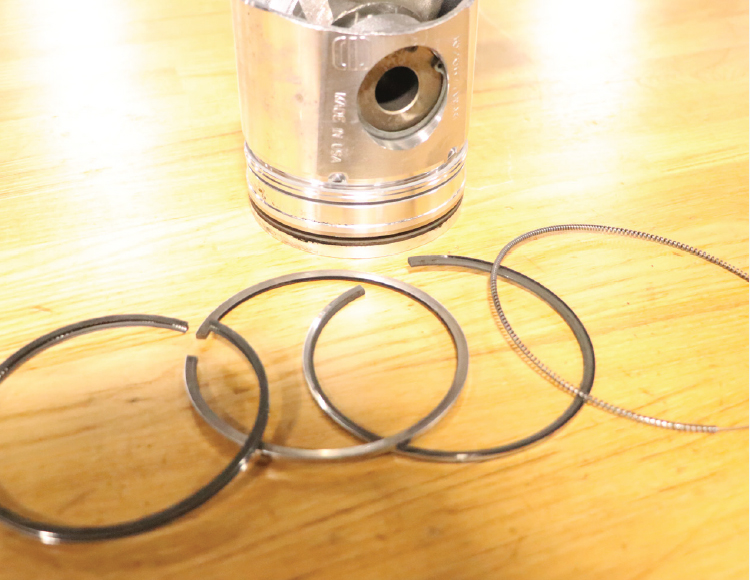
The technical advantages are compelling. Vacuum conditions enhance penetration into piston ring grooves, oil galleries, and blind holes where conventional cleaners struggle. The sequential application of modified alcohol solvents followed by aqueous detergent treatment addresses both organic and inorganic contamination in a single automated cycle. Perhaps most importantly, parts exit completely dry and ready for downstream operations, no waiting, no water spots, no trapped fluids that could compromise assembly or coating processes.
But the real breakthrough is operational. When your cleaning chemistry regenerates continuously, the performance on the last part of your shift matches the first. There are no unplanned stoppages for emergency bath changes. No quality variations between operators or shifts. The process simply runs, consistently and predictably, regardless of how heavily soiled the incoming components may be.
The Economics Make Sense
Capital equipment decisions always come down to return on investment, and the numbers here are persuasive. Reduced chemical consumption and waste disposal costs provide ongoing savings, while eliminated downtime directly translates to increased throughput. When you factor in reduced scrap rates from consistent cleaning quality and the safety benefits of sealed-chamber operation, the business case builds quickly.
More strategically, this technology removes a constraint that currently limits remanufacturing operations. If you can clean reliably at high contamination levels without process degradation, you can accept more heavily soiled cores and process them economically. That opens market opportunities that conventional cleaning systems force you to decline.
Looking Forward
As remanufacturing continues its transition from speciality operation to mainstream production method, the facilities that thrive will be those that invest in processes specifically engineered for remanufactured component requirements rather than adapting technologies designed for different applications.
The cleaning stage might not be the most glamorous part of your operation, but it’s often the most critical constraint on quality, throughput, and profitability. For remanufacturing operations still wrestling with conventional cleaning systems, it may be time to question whether you’re solving the right problem or just managing the symptoms of an inadequate solution.
The technology exists to do this better. The question is whether we’re ready to rethink our assumptions about how parts cleaning should work in a remanufacturing environment.